
Ordered, crystalline materials fail predictably. A collaborative group has identified a mechanism for predicting failure in disordered materials, too.
College of Engineering News
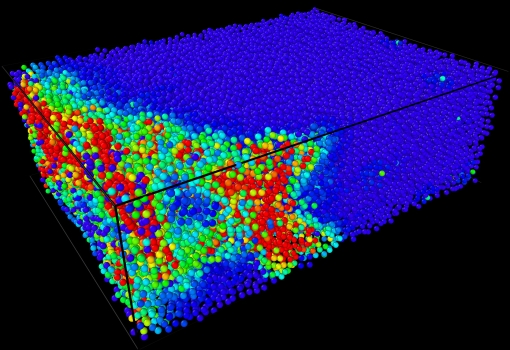
In this snapshot showing a reconstruction of a compression experiment, the red particles indicate hotspots, where atoms are rearranging as a prelude to failure.
Image compliments of Daniel Gianola, Daeyeon Lee, Jyo Lyn Hor, Daniel Strickland
Dec 13, 2017
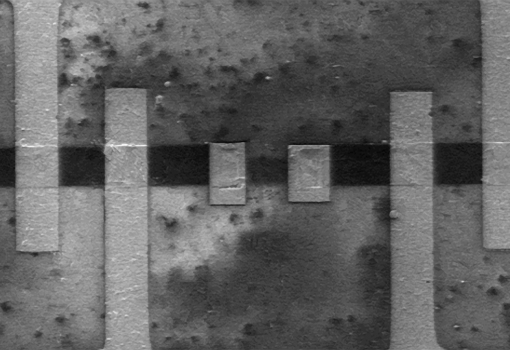
Scanning electron micrscope image showing two graphene connectors (center) and four other metal connectors.
Dec 11, 2017
Professor Kaustav Banerjee's lab pursues solutions to limitations of copper interconnects on chips.
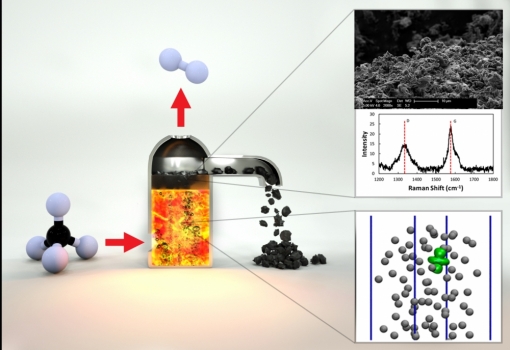
Fig. 1. Hydrogen production using a Ni-Bi molten catalyst
Photo Credit: Brian Long
Nov 21, 2017
UCSB researchers develop a potentially low-cost, low-emissions technology that can convert methane without forming carbon dioxide
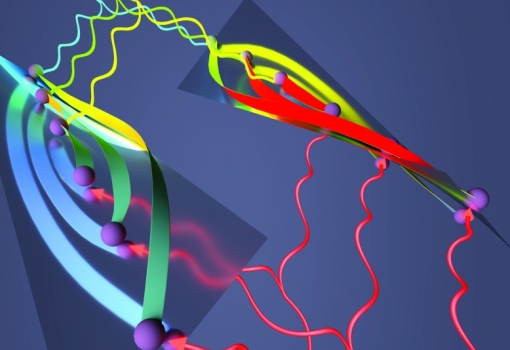
This artist’s rendition features Berry curvature represented by the twisting ribbons at the top.
Photo Credit: Brian Long
Nov 21, 2017
Physicists open the door to the first direct measurement of Berry curvature in solid matter
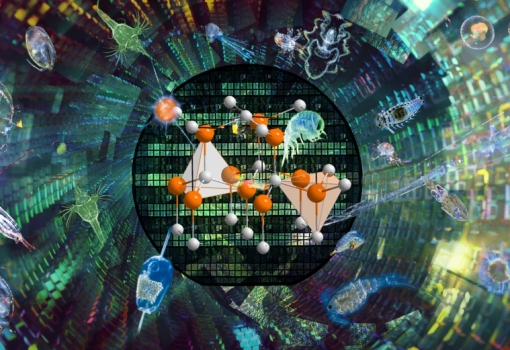
An arrtist's representation depicting a composite of marine materials
Nov 19, 2017
Researchers receive a $3.4 million grant from the NSF’s Office of Advanced Cyberinfrastructure to improve scientific image processing
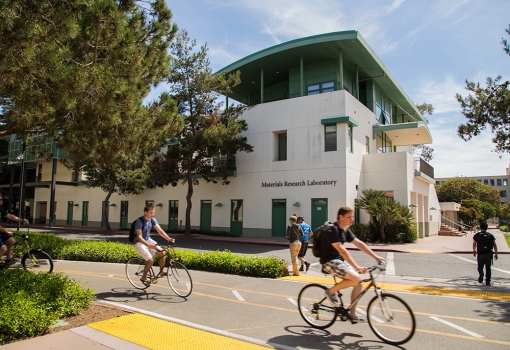
UCSB’s Materials Research Lab is one of the top five materials research facilities in the world.
Oct 03, 2017
UCSB’s Materials Research Laboratory receives its sixth round of NSF MRSEC funding
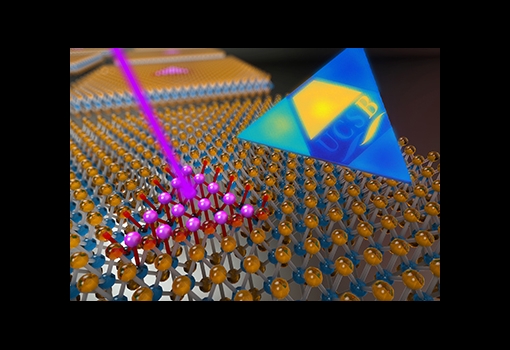
An artist’s representation showing an electron beam (in purple) being used to create a 2D superlattice made up of quantum dots having extraordinary atomic-scale precision and placement. Professor Kaustav Banerjee and his team of researchers at UCSB were able to size and position the quantum dots so precisely that when they were excited with lasers, they emitted light over a range of frequencies to spell out the letters “UCSB” (upper right).
Sep 21, 2017
UCSB engineers create atomically thin superlattice materials — essentially artificial crystals — with precision, allowing them to fine-tune material characteristics.
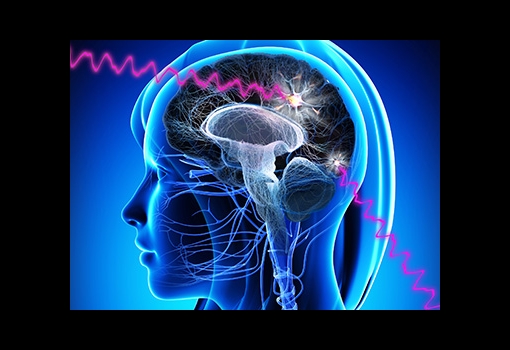
UCSB scientists will develop a method for directing light into the brain to monitor currently invisible brain activity.
Sep 18, 2017
A collaborative team will develop a brain-imaging method employing light at wavelengths beyond the human visual realm.
Sep 14, 2017
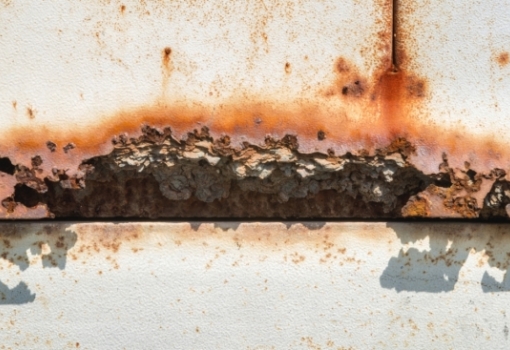
UCSB researchers get a nanoscale glimpse of crevice and pitting corrosion as it happens
Aug 29, 2017
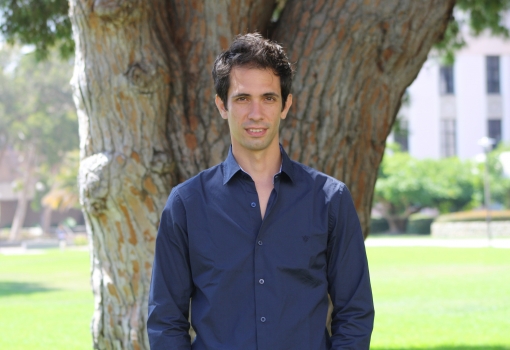
UCSB developmental biologist uses mechanical engineering technique to investigate the mechanical development of the eye.

Aug 16, 2017
MURI grants fund UCSB mechanical engineers seeking to improve machines that move through air and water.
Aug 08, 2017
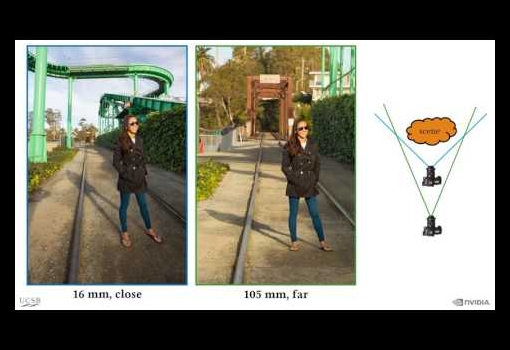
A new technique developed by UCSB and NVIDIA researchers enables photographers to adjust image compositions after capture.
- ‹ previous
- 25 of 29
- next ›