
Research at UC Santa Barbara reveals how a phenomenon first discovered 100 years ago impacts state-of-the-art devices.
.
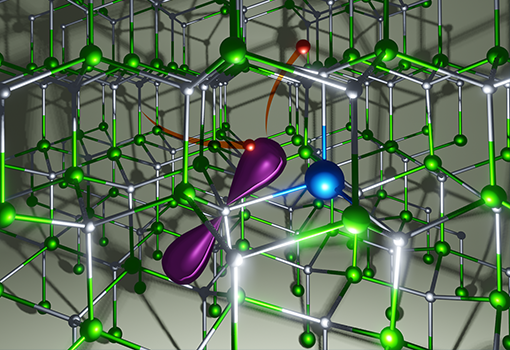
Research at UC Santa Barbara reveals how a phenomenon first discovered 100 years ago impacts state-of-the-art devices.
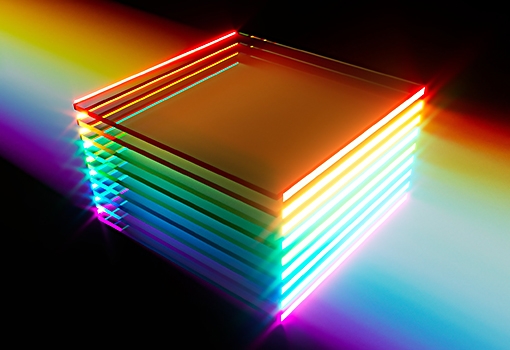
3D integration of monolithic and heterogeneous layers allows the Bowers lab to achieve an important milestone.
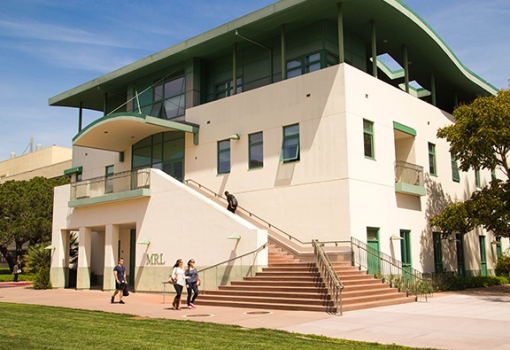
The Materials Research Laboratory received its seventh consecutive major grant from the National Science Foundation.
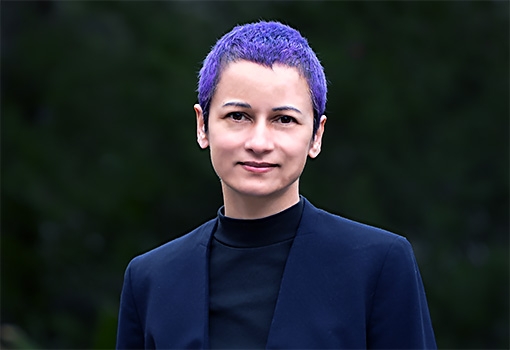
The UCSB computer science assistant professor is using AI to make all kinds of learning accessible.
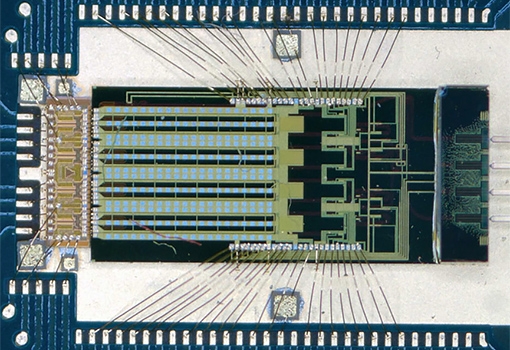
Holistic co-design of photonics, electronics, and packaging enables faster, more-efficient data transfer.
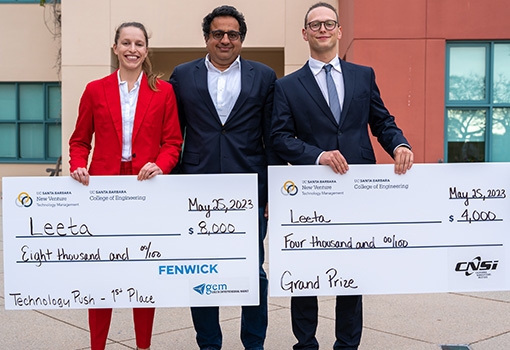
The team received $12,000 in prizes for their novel manufacturing process to produce high-demand battery materials.
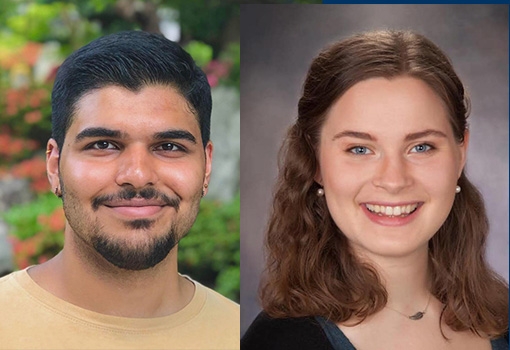
Pair of materials PhD students win prestigious fellowships from the Department of Defense.
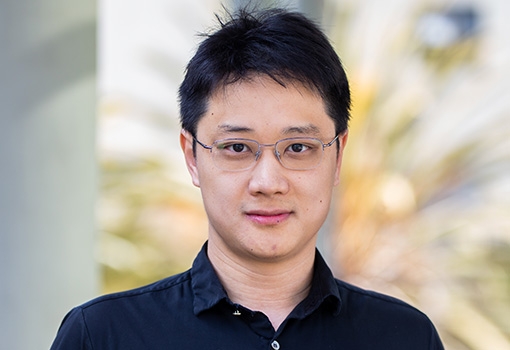
A UCSB postdoctoral scholar earns international recognition for his innovative research.

The six teams will compete for thousands of dollars in prize money during the NVC Finals on Thursday, May 25.
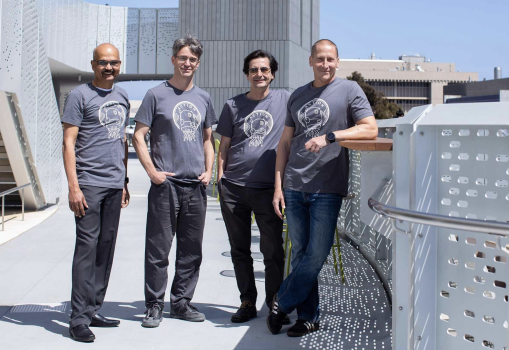
UCSB will serve as the lead in a five-year, $20 million project to establish the Institute for Agent-based Cyber Threat Intelligence OperatioN (ACTION).
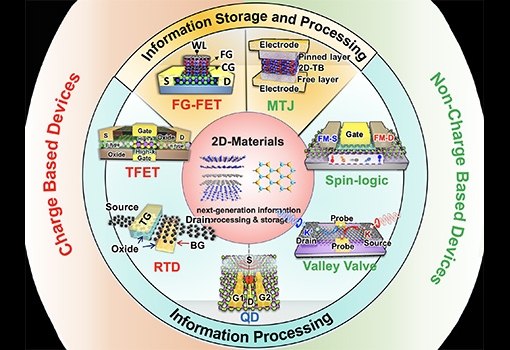
New devices from Kaustav Banerjee’s lab show promise for next-generation information processing and storage.

He plans to use microarchitectural checkpointing to redesign processors to improve cloud-based computing.